How We Work With Wood

An architectural practice built on material knowledge and regional context

Origins in Observation

This practice emerged from years spent documenting historic wooden structures across Canadian provinces. What began as academic research into vernacular building methods evolved into an active design studio.

We noticed patterns in how different timber species perform under regional climates. Cedar weathers differently than Douglas fir. Hemlock behaves distinctly from spruce under load. These observations became foundational to our design methodology.
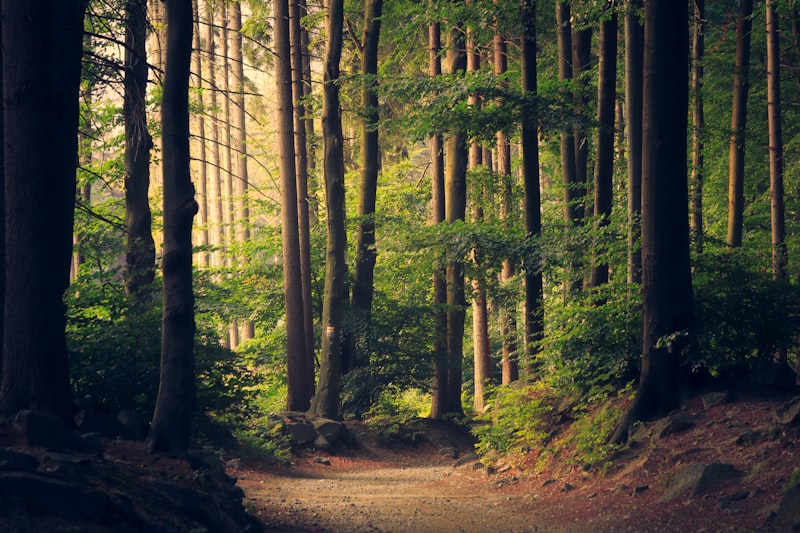

Canadian wilderness and forest environment

Principles That Guide Projects

Material Honesty

We express wood structurally rather than concealing it behind finishes. When beams carry load, they remain visible. Joinery becomes detail rather than hidden connection.

Regional Adaptation

Designs respond to local climate data, seasonal moisture variation, and wind patterns specific to each site. A coastal building requires different detailing than an interior plateau structure.

Longevity Over Trend

We avoid stylistic gestures that date quickly. Instead, proportions derive from structural logic and spatial function, creating architecture that remains coherent across decades.

Collaborative Process

Projects involve timber framers, millworkers, and engineers from early design stages. Their technical knowledge shapes feasible solutions rather than being consulted after design is finalized.

Who Shapes These Projects

Our team includes architects with backgrounds in forestry, structural engineers specializing in timber systems, and craftspeople who maintain traditional joinery skills.

This cross-disciplinary composition means designs are vetted for constructability before drawings reach bid stage. Fewer surprises during construction. More precise budgets.

We also maintain relationships with lumber mills and salvage operations, allowing access to reclaimed timbers and specialty cuts not typically available through standard suppliers.

Wooden construction details and craftsmanship

Beyond Aesthetic Preference

Choosing wood as primary building material involves more than visual appeal. It requires understanding moisture dynamics, connection design, fire ratings, and maintenance intervals.

We educate clients about these realities early in projects. Wooden buildings demand different care than concrete or steel structures. Seasonal inspections become routine. Finishes may need periodic renewal. These are not flaws but characteristics to accommodate through design and client expectation.

The reward is a building that develops patina rather than showing wear. Wood's aging process can enhance rather than diminish architectural character when properly detailed.